
Artificial Intelligence has completely transformed the video production landscape. Tasks that once required hours of manual editing can now be automated with precision and creativity. From cutting footage and syncing audio to generating effects and captions, AI tools make the entire process faster and more efficient. This evolution allows both professionals and beginners to produce high quality videos with ease.
AI in video production isn’t just about speed it’s about innovation. Machine learning models can now understand visual storytelling, identify highlights and even generate entire scenes from text prompts. This means creators can bring ideas to life without complex editing software or technical expertise. The result is a new era of content creation driven by smart, accessible technology.
Whether it’s social media content, educational videos or cinematic projects, AI empowers creators at every level. It automates repetitive tasks, enhances creative control and ensures consistent results. As AI continues to evolve, it’s redefining the boundaries of what’s possible in digital storytelling.
1. AI Video Editing Tools

AI video editing tools like Runway, Descript and Pika Labs have revolutionized post production workflows. These platforms automate editing tasks such as trimming, cutting, color correction and even motion tracking. They analyze footage to detect key moments, making it easier to craft engaging stories. This enables creators to produce polished videos in a fraction of the usual time.
With intuitive interfaces and smart automation, AI video editors make professional editing accessible to non experts. Users can apply transitions, sync soundtracks and even remove backgrounds automatically. The process becomes faster, smoother, and more enjoyable.
AI tools not only save time they elevate creativity. They give editors more room to focus on storytelling while letting algorithms handle the technical details. This fusion of automation and artistry defines the future of video editing.
2. AI Script Writing & Storyboarding

Creating a compelling script is the foundation of great video production and AI is now assisting in this process. Tools like ChatGPT, Jasper and DeepStory can generate storylines, dialogues and scene breakdowns from simple prompts. These systems understand tone, pacing and genre, helping creators craft engaging narratives quickly. This ensures every video starts with a strong creative direction.
AI can also visualize storyboards automatically. By analyzing scripts, it predicts visual sequences and camera angles that fit the story. This allows creators to plan scenes efficiently and make pre production smoother.
With AI handling structural and visual planning, teams can focus on refining ideas rather than starting from scratch. It bridges the gap between imagination and execution, making video storytelling more efficient and inspired. Script to screen has never been so seamless.
3. AI for YouTube Thumbnails & Titles

A video’s success on YouTube often depends on its thumbnail and title and AI now optimizes both. Tools like Canva AI, Thumbnail.AI and TubeBuddy analyze viewer behavior to recommend colors, text styles and imagery that attract clicks. They can even test multiple thumbnail versions to predict engagement rates. This makes audience driven design fast and data-backed.
AI thumbnail generators can identify the most expressive frames from a video and enhance them for visual appeal. Combined with keyword optimized titles, this ensures maximum reach and click through rates. For creators, it’s an effortless way to improve performance without hours of manual design work.
In a competitive platform like YouTube, standing out is everything. AI tools bring analytics and creativity together, helping videos perform better organically. It’s not just about looking good it’s about being strategically discoverable.
4. AI Generated Videos from Text

One of the most groundbreaking innovations is AI video generation from text. Platforms like Synthesia, HeyGen and Runway Gen 2 can transform written scripts into full videos featuring lifelike avatars, backgrounds and voiceovers. This enables creators to produce explainer videos, ads and tutorials without cameras or actors. The process is fast, affordable and scalable.
These systems understand natural language, automatically visualizing scenes based on script content. They can simulate gestures, expressions and professional camera work. The result is content that feels human made but is entirely AI produced.
This innovation is a game changer for brands and educators. It allows mass content creation in multiple languages and formats. Text to video AI is the future of scalable storytelling and digital communication.
5. AI Voiceovers & Audio Enhancement

AI is also reshaping the audio side of video production. Voice generation tools like ElevenLabs, Lovo.ai and Play.ht create natural sounding voiceovers in different accents and tones. They can bring scripts to life without needing human narrators, saving both time and cost. This is especially useful for explainer videos, training content and product demos.
AI audio tools can also enhance sound quality by removing background noise, balancing levels and improving clarity. Programs like Adobe Podcast Enhance and Krisp make audio production smoother and more professional. They ensure every video sounds crisp and engaging.
By combining AI voiceovers and editing, creators can produce broadcast quality audio effortlessly. This helps maintain consistency and quality across all content types. AI makes professional sound design simple, smart and scalable.
6. AI Captioning & Subtitling

Adding captions and subtitles has become a necessity for accessibility and SEO and AI automates the process perfectly. Tools like Veed.io, Kapwing and Descript generate accurate captions instantly using speech recognition. They synchronize text with video timing automatically, saving editors hours of manual work. This ensures videos are inclusive and globally understandable.
AI captioning tools can also translate content into multiple languages while preserving tone and context. This helps creators reach wider audiences effortlessly. For global brands and educators, it’s an essential feature that expands engagement.
Accurate captions improve watch time and accessibility across platforms. With AI, subtitles are no longer tedious to create they’re a built in advantage. The result is polished, viewer friendly video content that performs better everywhere.
7. AI Visual Effects & Motion Tracking
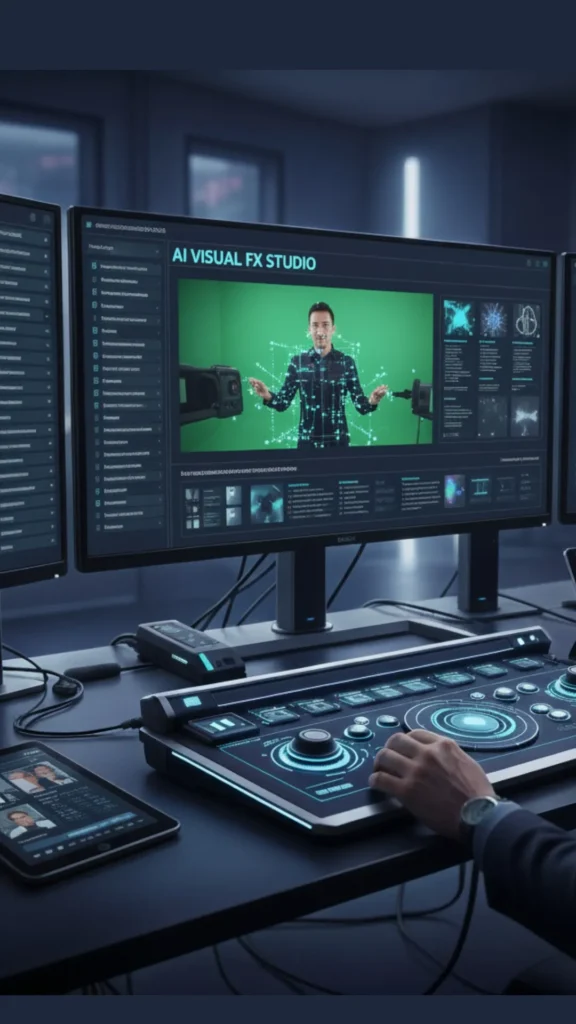
AI has taken over the complex world of visual effects (VFX) and motion tracking. Software like Runway ML, Topaz Video AI and After Effects AI features can automatically detect movement and apply effects accordingly. This streamlines tasks that once required hours of manual keyframing. Now, creators can achieve cinematic visuals in just minutes.
AI algorithms can remove unwanted objects, enhance motion blur and even stabilize shaky footage. They recognize depth and movement patterns, allowing realistic compositing. This brings professional quality effects to everyday creators.
AI-powered VFX democratizes high end production techniques. It enables YouTubers, indie filmmakers and marketers to achieve Hollywood level visuals affordably. Creativity, not budget, becomes the true limit.
8. AI Video Summarization & Highlight Creation

For long videos, AI can automatically identify the best moments and create highlight reels. Tools like Pika Labs, Munch and Wisecut analyze engagement cues like facial expressions, motion and audio peaks to detect key scenes. This is perfect for podcasts, webinars and event recaps. It transforms hours of footage into short, shareable clips.
AI summarization tools also adapt videos for different platforms, ensuring optimal length and pacing. They make it easy to repurpose content for YouTube Shorts, TikTok or Instagram Reels. This helps creators maximize their content’s reach and value.
By automating highlight creation, AI saves massive amounts of editing time. It helps brands stay consistent on social media without constantly recording new material. Every piece of long form content can now generate endless short-form assets.
9. AI Color Grading & Style Transfer

AI is now capable of applying cinematic color grading automatically. Tools like Colorlab AI, DaVinci Resolve Neural Engine and Runway analyze footage to adjust tones, brightness and hues perfectly. They can even mimic the visual styles of famous films or creators. This ensures professional color consistency across projects.
AI based style transfer allows users to apply specific visual aesthetics to new footage. Whether it’s a warm vintage tone or a cool futuristic vibe, the transformation happens instantly. It brings artistic control to creators who may not have deep editing skills.
Color and tone define emotion in video and AI handles this with precision. It gives every creator the power to produce visually striking, cinematic results. The technology makes high end visuals accessible to everyone.
10. AI Collaboration & Workflow Automation

Video production is often a team effort and AI now supports collaborative workflows seamlessly. Tools like Frame.io, Notion AI and Runway Teams integrate AI into team communication and project management. They automate review cycles, generate feedback summaries and help coordinate edits in real time. This streamlines the entire production pipeline.
AI can also automate file organization, naming and rendering processes. This minimizes confusion and speeds up delivery. Teams can spend more time creating and less time managing logistics.
As video projects become larger and more distributed, AI ensures smooth coordination and efficiency. It acts like a digital producer organizing, optimizing and enhancing teamwork. The result is a faster, smarter and more connected production process.


