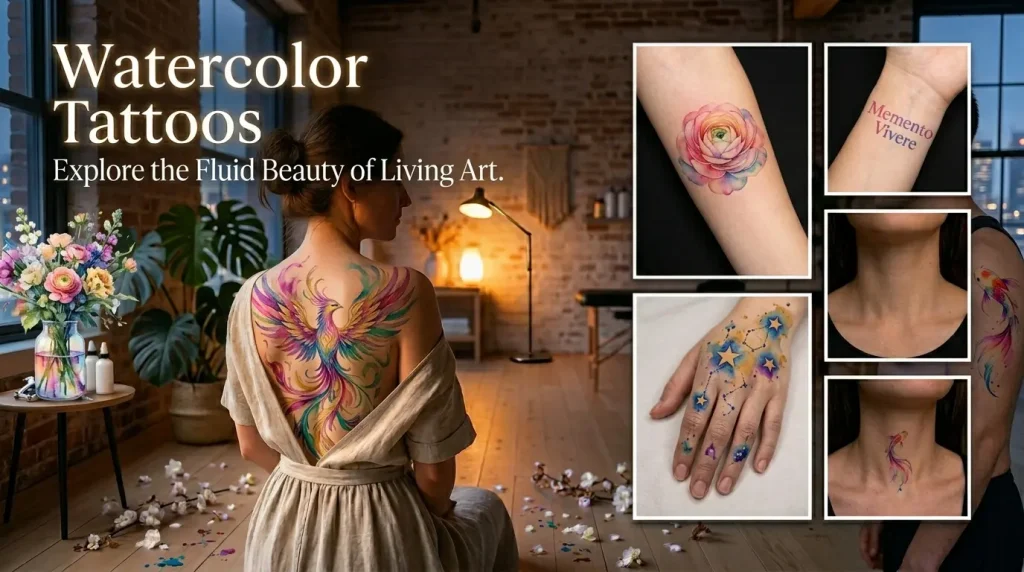
Watercolor tattoos are a striking fusion of fine art and body ink, mimicking the soft gradients, splashes and fluid textures of watercolor paintings. Unlike traditional tattoos that rely on bold outlines and solid fills, this style often avoids heavy borders, instead using subtle shading and color blending to create a more organic, free flowing appearance. To achieve this effect, artists layer diluted pigments and use specialized techniques like brushstroke simulation and color diffusion, giving the tattoo a painterly, almost ethereal quality.
When planning a watercolor tattoo, design selection is key. Popular choices include florals, animals, abstract shapes, and nature inspired elements that naturally complement the fluid style. It’s important to work with an experienced tattoo artist who understands color theory and composition, as the success of a watercolor tattoo depends heavily on proper layering and balance. Placement also matters areas with smoother skin and less friction tend to preserve the vibrancy and detail of the design for longer.
Care and maintenance play a crucial role in keeping watercolor tattoos looking fresh. Because they often use lighter pigments and less defined outlines, they may fade faster than traditional tattoos. Following proper aftercare keeping the tattoo clean, moisturized and protected from sun exposure is essential. Long term, using sunscreen and scheduling touch ups when needed can help maintain the brilliance and clarity of the colors.
01. Abstract Color Splash Silhouette Tattoo
An Abstract Color Splash Silhouette Tattoo is a bold fusion of structure and spontaneity, making it a standout concept within Innovative & Experimental Ink, especially under the Watercolor Tattoos subcategory. The design begins with a clean, well defined silhouette this could be a human profile, animal figure or symbolic shape serving as the visual anchor. Around and sometimes through this silhouette, vibrant watercolor splashes are layered, mimicking paint thrown onto a canvas. The key is contrast: the solid, often black or muted silhouette grounds the design, while the surrounding colors introduce movement, emotion and artistic unpredictability.
Execution requires a skilled tattoo artist who understands both precision and controlled chaos. The silhouette is typically applied first with crisp edges to ensure longevity and clarity over time. Then, the watercolor elements are built using diluted inks, soft gradients and techniques like splattering, feathering and brushstroke simulation. Color selection plays a major role complementary or analogous palettes help maintain harmony, while intentional color bleeding adds to the experimental aesthetic. Placement should allow enough space for the splashes to “breathe,” such as the forearm, upper arm, thigh or back, where the design can fully expand without distortion.
Proper aftercare and long term maintenance are especially important for this style. Since watercolor tattoos rely on lighter pigments and less defined boundaries, they are more prone to fading. Keeping the tattoo moisturized during healing, avoiding excessive sun exposure, and using high SPF sunscreen afterward will help preserve the vibrancy of the colors. Periodic touch ups may be needed to maintain the intensity of the splashes while keeping the silhouette sharp. When done correctly, this tattoo style becomes a living piece of art balancing control and freedom in a visually striking way.

02. Galaxy Watercolor Blend Tattoo
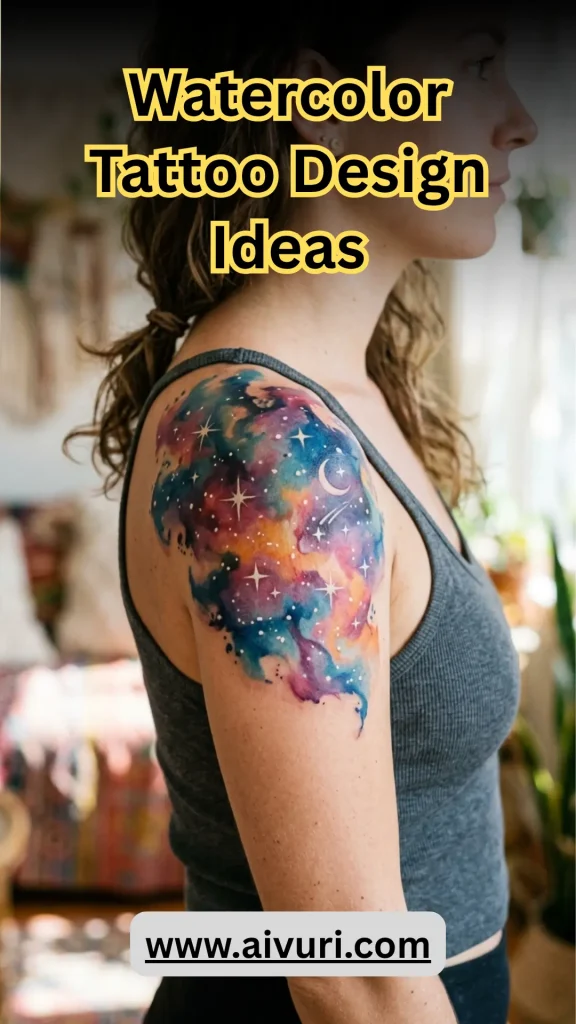
A Galaxy Watercolor Blend Tattoo is a visually captivating concept within Innovative & Experimental Ink, falling under the Watercolor Tattoos subcategory. This design captures the vast, dreamlike essence of space using fluid color transitions instead of rigid outlines. The composition often features a blend of deep purples, cosmic blues, soft pinks and hints of black, layered to mimic nebula clouds and interstellar depth. Elements like stars, constellations or subtle planetary forms can be added to enhance realism while still maintaining the abstract, painterly feel that defines watercolor tattooing.
The execution of this tattoo requires advanced color blending techniques and a strong understanding of depth and contrast. Artists typically begin with a loose base of darker tones to establish the galaxy’s structure, then gradually build lighter hues and highlights to create dimension. Techniques such as soft shading, color diffusion and controlled ink dispersion are used to replicate the look of swirling space clouds. Tiny white ink details or negative space are often incorporated to represent stars, adding brightness and contrast. Ideal placements include larger, flatter areas like the forearm, shoulder, thigh or back, where the gradient transitions and layered effects can fully develop without distortion.
Aftercare is crucial for preserving the vibrancy and detail of a Galaxy Watercolor Blend Tattoo. Because the design relies heavily on soft gradients and lighter pigments, it may fade more quickly than traditional tattoos with bold outlines. Keeping the area clean, well moisturized, and protected from sunlight during healing is essential. Long term care includes regular use of sunscreen to prevent color dulling and scheduling touch ups to maintain the depth and brilliance of the galaxy effect. When properly executed and maintained, this tattoo becomes a stunning, otherworldly piece that feels like carrying a fragment of the universe on your skin.
03. Floral Explosion Without Outline Tattoo
A Floral Explosion Without Outline Tattoo is a delicate yet expressive concept within Innovative & Experimental Ink, perfectly suited to the Watercolor Tattoos subcategory. This design abandons traditional outlines entirely, allowing flowers to emerge through soft gradients, layered pigments and natural color transitions. Petals appear to bloom and dissolve simultaneously, with hues bleeding gently into the skin like watercolor on paper. Popular floral choices include roses, peonies, cherry blossoms and wildflowers, all reimagined with a loose, painterly style that emphasizes movement, lightness and organic beauty.
Execution of this tattoo demands a highly skilled artist with expertise in color theory and subtle shading techniques. Without outlines to define structure, the artist must rely on contrast, tonal variation and strategic layering to give each petal form and depth. The process often involves building colors gradually starting with lighter washes and intensifying certain areas to create focal points. Techniques like feathering, blending and controlled ink diffusion are essential to achieve the soft, airy effect. Placement plays a critical role, areas like the forearm, collarbone, shoulder or thigh provide enough space for the design to flow naturally without appearing crowded or losing definition.
Because this style uses lighter pigments and lacks strong borders, proper aftercare is especially important to maintain its visual impact. During healing, keeping the tattoo clean, moisturized and protected from irritation will help preserve the delicate gradients. Long term care should include consistent use of sunscreen to prevent fading and color distortion. Over time, touch ups may be necessary to refresh the vibrancy and redefine softer areas. When done correctly a Floral Explosion Without Outline Tattoo becomes a living piece of art soft, elegant and constantly evolving with the skin.

04. Watercolor Brushstroke Typography Tattoo
A Watercolor Brushstroke Typography Tattoo is a modern, expressive style within Innovative & Experimental Ink, perfectly aligned with the Watercolor Tattoos subcategory. This design transforms words, quotes or meaningful phrases into artistic compositions that look as if they were painted directly onto the skin. Instead of clean, rigid lettering, the typography mimics natural brush movements featuring uneven strokes, ink splatters and flowing gradients. The result is a dynamic blend of calligraphy and abstract watercolor, where the message feels alive, emotional and visually unique.
Executing this tattoo requires both strong lettering skills and a painter’s approach to color application. The artist typically begins by sketching the typography with a loose, brush inspired style, ensuring readability while maintaining an organic flow. Once the structure is set, watercolor elements are layered in using diluted pigments, soft blending, and splatter techniques to create depth and movement. Color choices can vary depending on mood, bold contrasts for dramatic impact or soft pastels for a subtle, elegant look. Placement should complement the natural direction of the brushstrokes, making areas like the forearm, ribcage, collarbone or spine ideal for enhancing the flow of the text.
Proper care is essential to maintain the clarity of both the lettering and the watercolor effects. Since this style often combines fine lines with soft color transitions, it can be more susceptible to fading over time. During healing, it’s important to keep the tattoo clean, hydrated and free from excessive friction. Long term maintenance includes protecting the tattoo from sun exposure with high SPF sunscreen and considering occasional touch ups to keep the colors vibrant and the text sharp. When done well a Watercolor Brushstroke Typography Tattoo becomes more than just words it turns personal meaning into a striking piece of wearable art.

05. Animal Form with Color Bleed Effect Tattoo
An Animal Form with Color Bleed Effect Tattoo is a striking concept within Innovative & Experimental Ink, falling under the expressive Watercolor Tattoos subcategory. This design combines a recognizable animal figure such as a wolf, lion, deer or butterfly with fluid watercolor elements that appear to dissolve or bleed beyond the form. Part of the animal is often rendered with clean detail or light structure, while the rest transitions into abstract splashes, drips and fading pigments. This contrast creates a sense of motion and emotion, as if the animal is emerging from or melting into color.
Execution requires a balance between realism and abstraction. The artist typically begins by defining key features of the animal like the eyes, face or outline to establish identity and focus. From there, watercolor techniques are introduced using diluted inks, gradient blending and controlled splatter effects. The “color bleed” is carefully planned, not random flow direction, color harmony and spacing all matter to avoid a muddy appearance. Strategic use of negative space and soft edges helps create a seamless transition between the detailed and abstract areas. Ideal placements include the forearm, upper arm, calf or back, where the design has room to flow naturally and maintain visual impact.
Aftercare is especially important for preserving both the fine details and the soft watercolor effects. Since the design relies on lighter pigments and subtle transitions, it may fade faster than bold, traditional tattoos. Proper healing involves keeping the area clean, moisturized and protected from irritation or excessive movement. Long term care includes consistent sun protection to prevent color fading and occasional touch ups to maintain vibrancy and clarity. When executed well, this tattoo style becomes a powerful artistic statement blending nature, movement and abstract expression into one cohesive piece.